


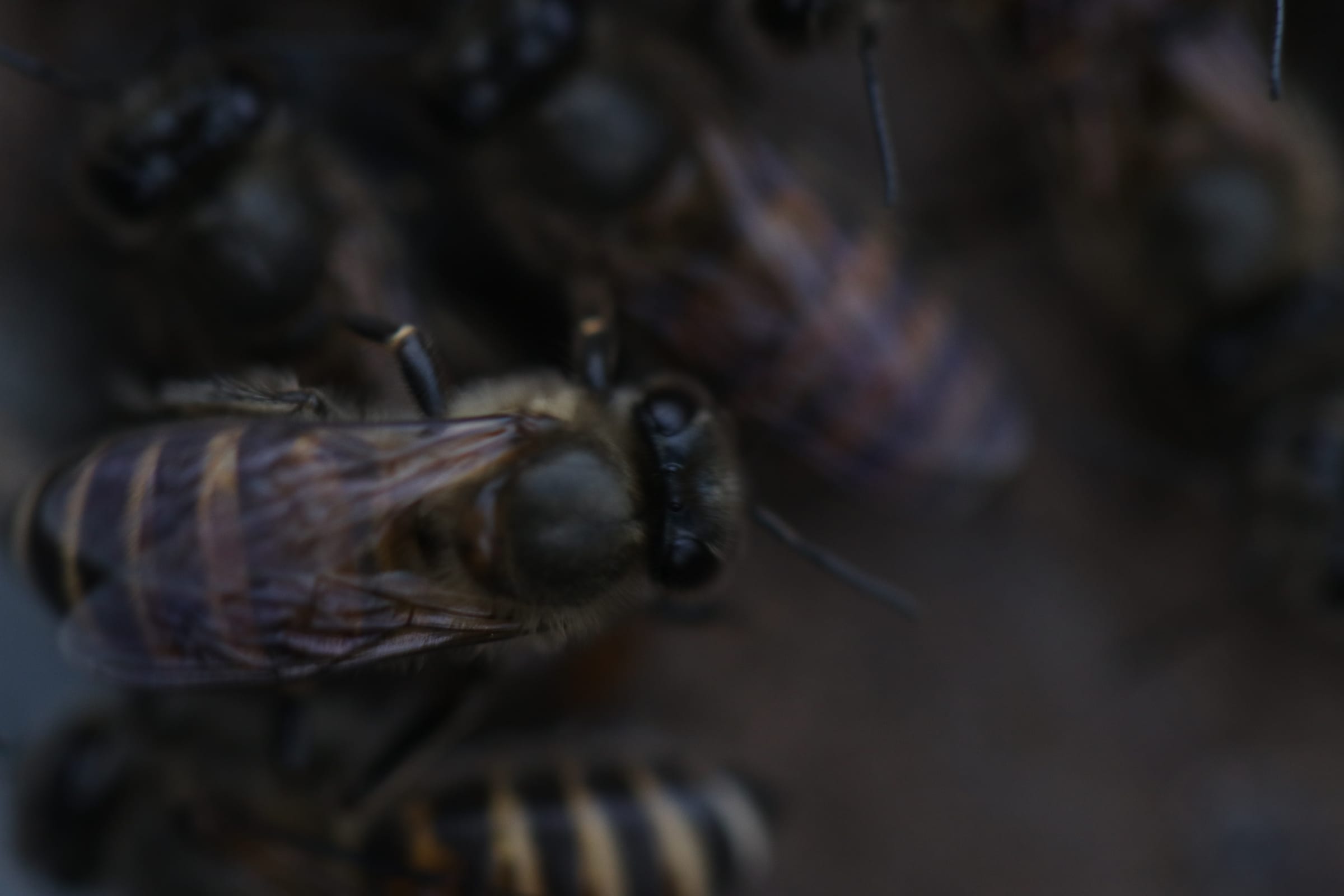
Our Bees
Four species of wild bees call the Nilgiri forests home. Each produces a honey as unique as its habitat, and each depends on the forest for survival.
The Nilgiri Biosphere Reserve harbours some of the richest bee diversity in Asia. Indigenous communities have co-existed with these bees for millennia, developing harvesting practices that sustain both the colonies and the forests they pollinate. Every jar of Last Forest honey begins with one of these remarkable species.
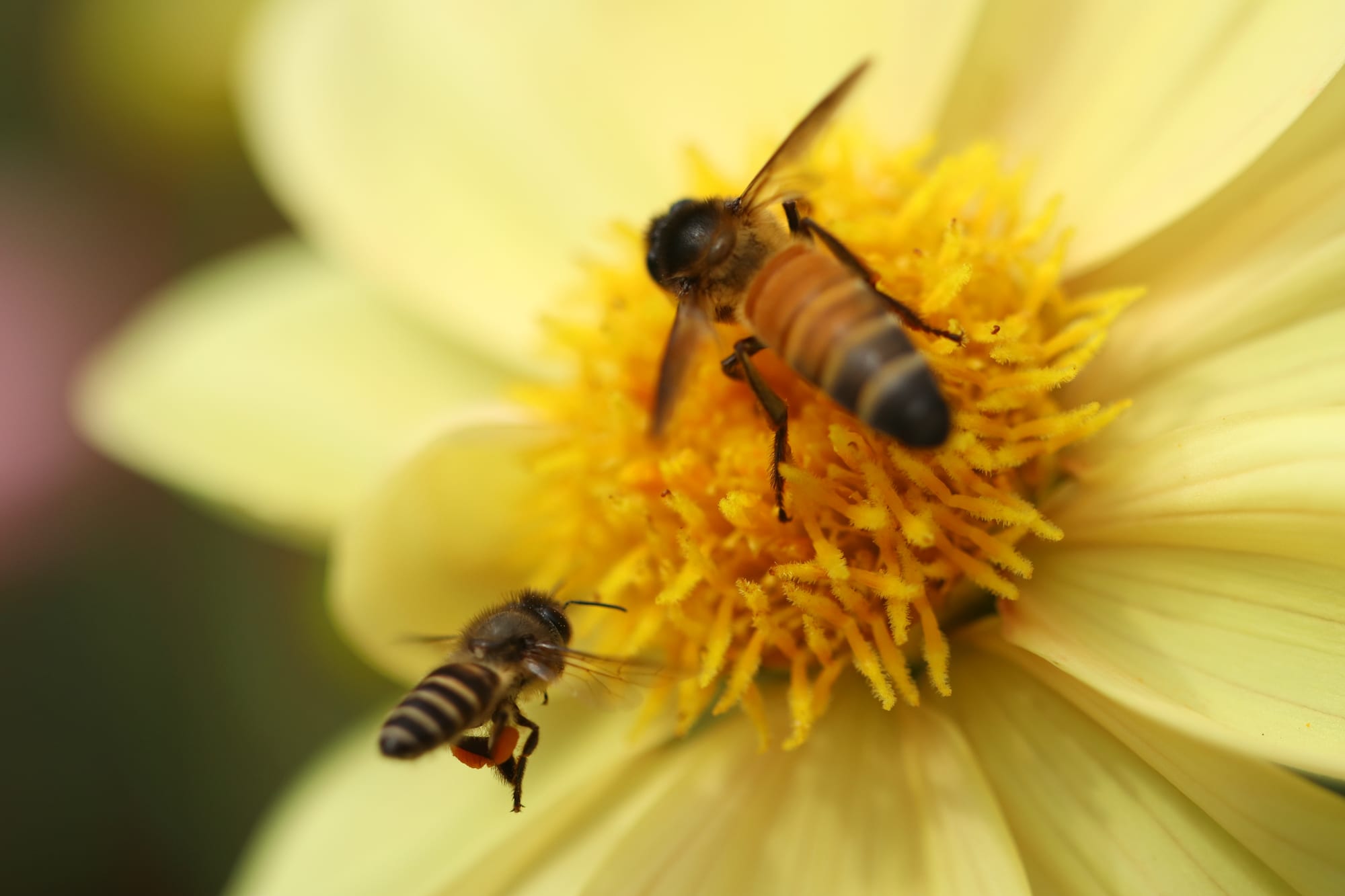
Giant Rock Bee
Apis dorsata
The largest social bee in the Nilgiri Biosphere Reserve and one of the largest honeybees in the world. It builds a single open comb, hung so the hive catches direct sun while staying sheltered from rain - which is why cliff overhangs suit it so well. Colonies nest in aggregates, and one large, sturdy tree can carry up to a hundred of them.
- Colony
- 60,000–100,000 workers
- Honey per nest
- 2–40 kg per comb
Fun fact: Honey from this one species accounts for two-thirds of all honey produced in India. Rock paintings of gatherers harvesting it go back 2,400 years.
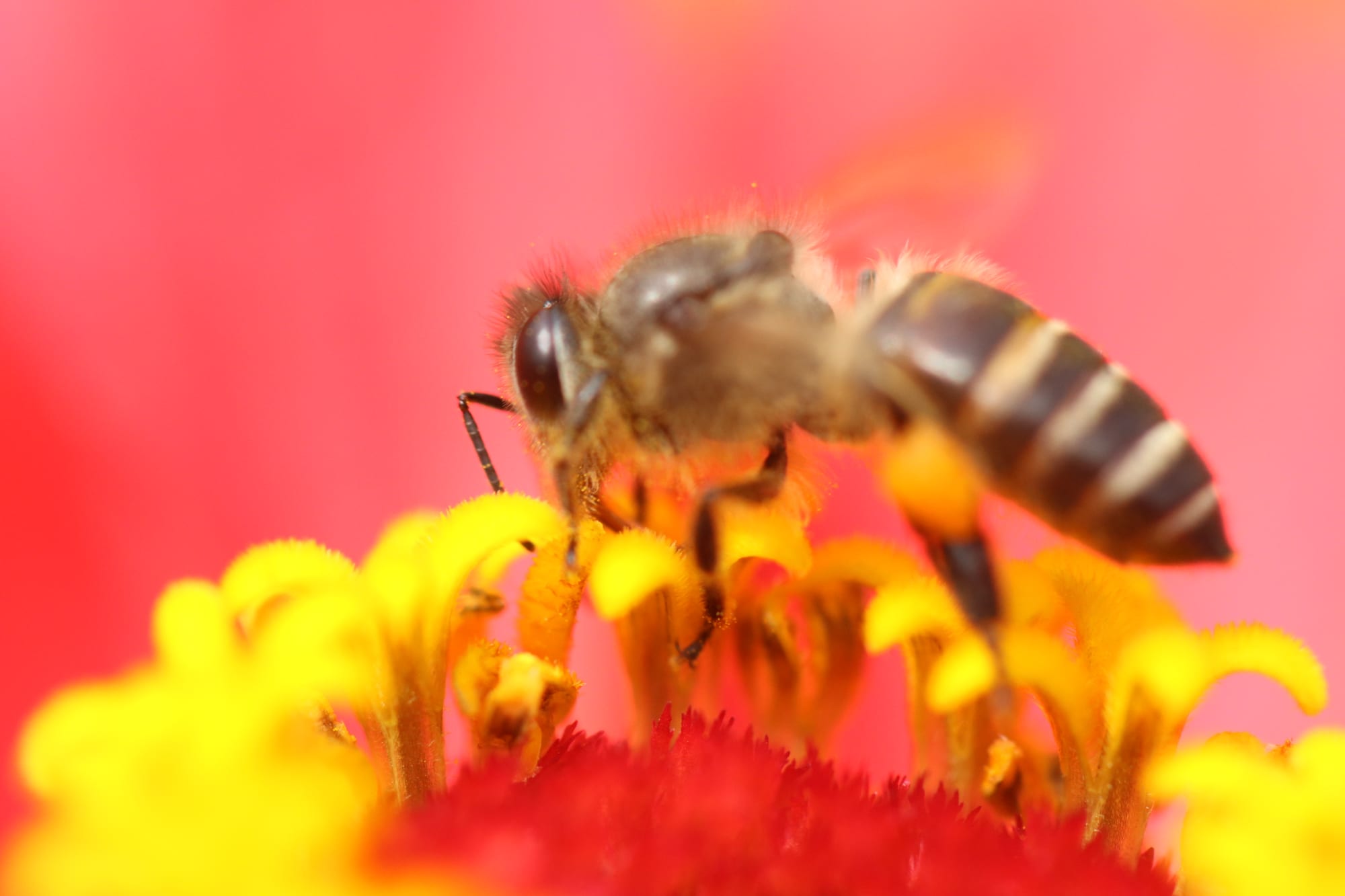
Asian Honey Bee
Apis cerana indica
Also called the Indian Hive Bee
Smaller than the Giant Rock Bee but far more widespread, and the only one of the four that takes readily to a hive. It nests out of sight in dark cavities and builds several combs at once, storing surplus honey in the outer ones and keeping brood and pollen in the middle. A generalist - it adapts to almost any landscape, though it prefers an open canopy.
- Colony
- 20,000–30,000 workers
- Honey per nest
- 3–16 kg per hive
Fun fact: It has been kept in hives in India for close to 2,000 years - its mild temperament is what made that possible.
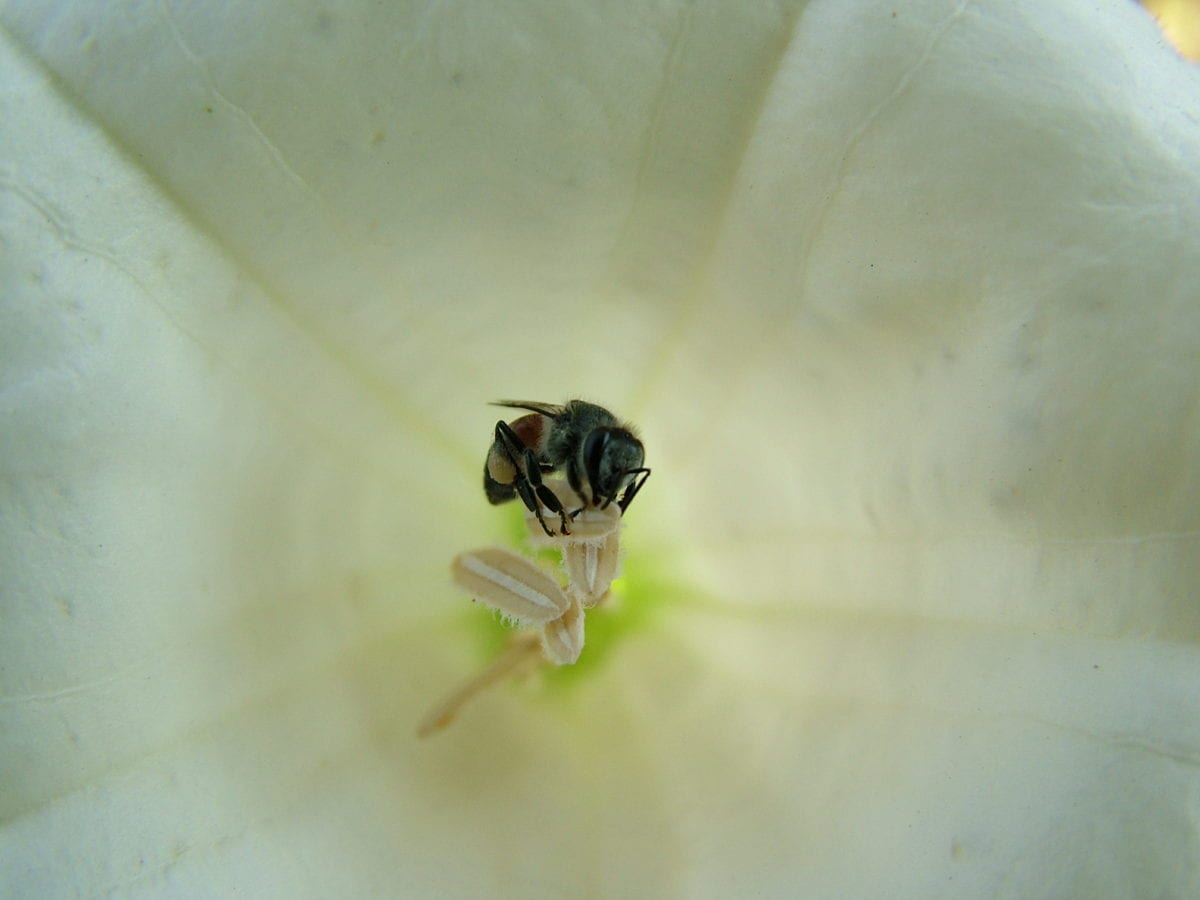
Dammer Bee
Tetragonula iridipennis
Also called the Stingless Bee
The smallest honeybee in the Nilgiris and in the world. It does not sting - it bites. Nests are sealed with propolis and built into tree trunks, wall crevices, hollow logs and roof spaces, with small cells for brood and larger sacs for pollen and honey. Tamil Nadu has a long tradition of keeping these bees in lengths of bamboo, and households outside the forest keep a colony in a clay pot.
- Colony
- 100–1,500 bees
- Honey per nest
- About 6 kg a year from a pot hive; 20 g–1 kg from a wild nest
Fun fact: In the Nilgiris this honey is rarely sold to outsiders at all. It is kept back for children and for pregnant women.
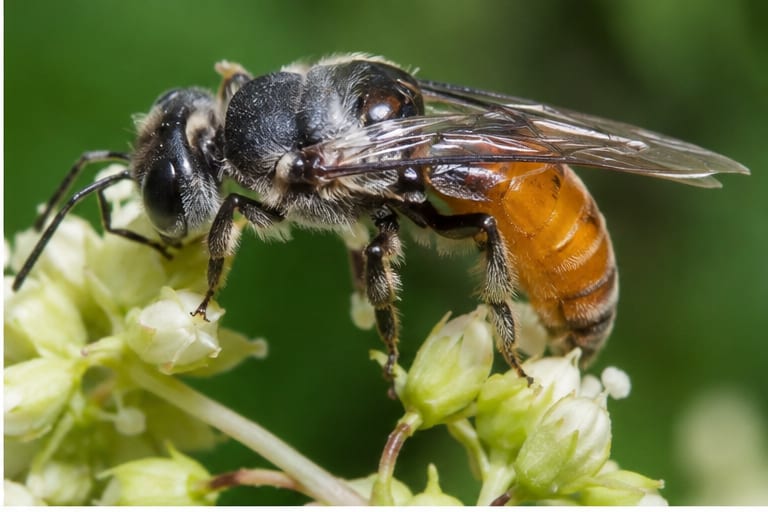
Little Honey Bee
Apis florea
Also called the Dwarf Honey Bee
A single-comb bee that wraps its nest around a thin branch, storing honey in the crown above the branch and leaving everything below it to brood, pollen and drones. Sticky plant resin smeared on the branch keeps ants out. Disturb the nest and the colony leaves - but only briefly, and then comes back.
- Colony
- 3,500–8,000 bees
Fun fact: It migrates for the flowering - usually a few hundred metres, but as far as 20 km when the season demands it.
Taste the difference
Each bee species produces a honey with its own terroir. Explore our collection and discover the flavour of the Nilgiri forests.
Shop Wild Honey